Download Float Menu Pro Nulled Plugin Free
WordPress plugin
Float Menu Pro
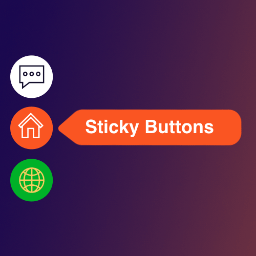
Float Menu Pro adds controls for the structure, actions, and visibility of floating menus on WordPress sites. Menus stay visible as visitors scroll, keeping selected links within reach.
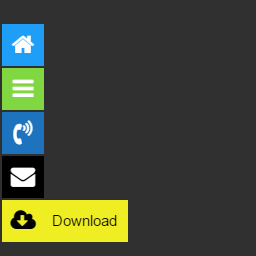
Float Menu Pro adds controls for the structure, actions, and visibility of floating menus on WordPress sites. Menus stay visible as visitors scroll, keeping selected links within reach.
Arrange entries and labels
Create submenus with a single submenu level, keep labels open, and adjust vertical alignment. Add extra text and choose label fonts when an item needs a description. Upload custom icons, then adjust their rotation, flip, and other options.
These controls can organize navigation, contact and support links, social profiles, account pages, promotions, or calls to action.
Choose an action for each item
Alongside standard links, menu items can translate a page with one click, share content through services such as Facebook and Twitter, or navigate to the next or previous post. Other actions include forced downloads, smooth scrolling to page sections, scrolling to the top or bottom, printing the current page, and search integration.
Set when menus appear
Display rules can respond to scrolling, user roles, language, a schedule, URL parameters, or a referrer URL. Scroll rules display or conceal a menu as visitors move through a page. Role permissions restrict who sees it, while multilingual settings let you adjust menus by language. URL and referrer conditions target particular pages or traffic sources. A browser compatibility setting can hide menus from outdated browsers.
Track interactions and open popups
Google Analytics tracking entries menu interactions and clicks. The built-in popup system opens a popup when a visitor clicks a menu item, connecting that control to an announcement, offer, or other website interaction.
Configure a menu
Install Float Menu Pro on the WordPress site and open its menu settings. Create a menu, choose its structure and position, and add links or actions. Then configure icons, labels, show rules, and tracking as needed, including language, schedule, URL, referrer, or user-role settings. Test the menu and adjust its behavior for the devices and pages where it should appear.